A stroke is a sudden, life-altering event that instantly disrupts the intricate communication network between your brain and your body. Tasks that were once entirely automatic—such as standing steadily, walking with a fluid stride, or reaching for a cup—suddenly require immense cognitive and physical effort. The immediate aftermath of a neurological injury can feel overwhelming, leaving individuals and their families wondering how to reclaim the independence that was lost overnight.
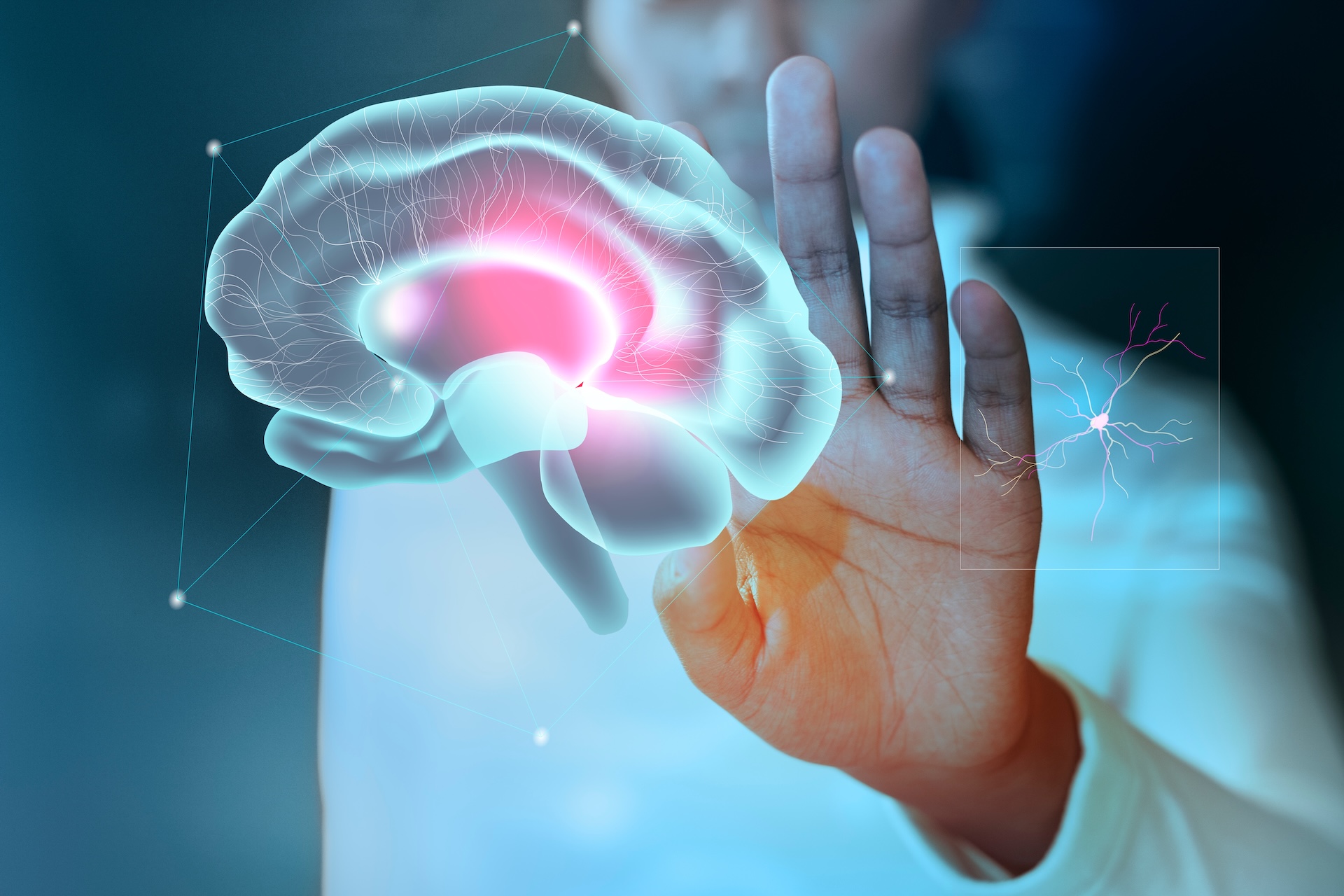
However, modern neuroscience offers a powerful message of hope: the human brain possesses a remarkable, lifelong capacity for adaptation known as neuroplasticity. When a stroke damages specific brain tissue, the surrounding, healthy areas have the capability to reorganize themselves, forming new neural pathways to bypass the injured zones and relearn lost motor functions.
For stroke survivors, specialized neurological physiotherapy is the catalyst that unlocks this latent potential. It transforms the abstract concept of biological recovery into tangible, daily progress, guiding patients as they step-by-step rebuild their physical world.
The Core Concept: Relearning vs. Compensating
Unlike general physiotherapy, which often focuses on localized orthopedic recovery, such as healing a broken bone or a torn ligament, stroke rehabilitation requires a deep, comprehensive understanding of neurological pathology. The muscles themselves are rarely the root cause of the limitation; rather, the “software” controlling them has been compromised. Therefore, effective rehabilitation is not simply about doing generic exercises to build muscle mass; it is about systematically retraining the central nervous system.
A critical trap in early recovery is relying too heavily on “compensatory strategies”, such as using only the unaffected side of the body to perform tasks. While this offers a quick short-term fix, it can lead to a phenomenon known as “learned non-use,” where the brain permanently forgets how to signal the affected limbs.
Specialized neuro-physiotherapy intervenes by encouraging bilateral movement, normalizing muscle tone, and demanding engagement from the weaker side of the body. This targeted approach ensures that the brain is actively stimulated to forge those vital new neural connections.
Specialized Clinical Techniques for Stroke Rehabilitation
To effectively stimulate neuroplasticity and safely guide a patient toward autonomy, a neuro-physiotherapist utilizes a highly specific toolkit of advanced, evidence-based modalities. For a stroke survivor, these specialized treatments are combined into a bespoke plan tailored to their exact functional presentation:
1. NDT Bobath Therapy
The Neuro-Developmental Treatment (NDT) Bobath concept is a world-renowned, hands-on approach centered on movement analysis and optimization. By evaluating how a stroke has altered a patient’s posture, alignment, and movement patterns, Bobath therapy aims to inhibit abnormal muscle responses (such as spasticity or stiffness) while facilitating more natural, fluid, and efficient movements. The therapist uses precise manual handling to guide the body back into proper alignment, allowing the brain to experience what correct movement feels like once again.
2. PNF (Proprioceptive Neuromuscular Facilitation)
PNF is a dynamic therapeutic approach that utilizes the body’s own sensory receptors (proprioceptors) to dictate muscle response. Rather than moving limbs in straight, rigid lines, PNF employs natural, diagonal, and rotational movement patterns—mirroring the way we actually move in daily life, such as reaching across the body to fasten a seatbelt. By applying calculated manual resistance and stretch, PNF enhances muscle activation, boosts core stability, improves flexibility, and restores coordination across multiple muscle groups simultaneously.
3. FES (Functional Electrical Stimulation)
A common and frustrating hurdle for many stroke survivors is “foot drop” or severe weakness in the upper and lower limbs, caused by disrupted nerve signals. Functional Electrical Stimulation (FES) bridges this gap using advanced technology. Small, painless electrical impulses are applied to the weakened muscles at precise micro-moments during an activity. For example, during walking, FES stimulates the shin muscles to lift the foot at the exact moment it leaves the ground, significantly improving walking safety, speed, and confidence while actively retraining the brain’s motor pathways.
4. Intensive Gait, Balance, and Coordination Training
Relearning to walk safely and independently requires breaking down the complex gait cycle into manageable phases. Neuro-physiotherapy addresses the root causes of instability by focusing heavily on weight-shifting, single-leg stance stability, foot clearance, and spatial awareness. Through specialized exercises that challenge both static balance (standing still) and dynamic balance (moving in space), patients can dramatically lower their risk of falls, giving them the confidence to navigate uneven surfaces both indoors and outdoors.
5. Motor-Assisted Cycling (The THERA-Trainer tigo)
When voluntary movement is severely limited in the early stages of stroke recovery, maintaining joint mobility and cardiovascular health is paramount. Utilizing advanced, hospital-grade equipment like the THERA-Trainer tigo provides an exceptional clinical advantage. This specialized stationary cycling trainer can operate in passive mode (where the motor moves the legs or arms smoothly to reduce spasms and stiffness), assisted mode (where the machine supports the patient’s weak efforts), or active mode (where the patient uses their own strength against resistance). It serves as a reliable therapeutic “workhorse” to improve circulation, regulate muscle tone, and rebuild foundational stamina.
Why the Home Environment Accelerates Progress
Clinical evidence consistently demonstrates that the most meaningful and lasting neurological progress occurs where a patient feels most secure. Transporting a stroke survivor to a chaotic outpatient clinic can cause mental fatigue and anxiety, leaving less energy for actual rehabilitation.
By bringing specialized care directly into the home environment, the physiotherapy sessions are automatically tailored to the real-world demands of daily life. Practicing transfers from your specific bed, navigating your own hallway, or practicing balance in your own kitchen makes the therapy instantly functional and contextually relevant. This seamless integration of high-level clinical expertise into a familiar setting maximizes psychological comfort and accelerates the transition back to an independent lifestyle.
About Nick Fotakakis
If you or a loved one are navigating the complex, challenging road of stroke recovery, you do not have to walk it alone. Professional, intuitive, and highly specialized clinical guidance can make all the difference, helping you achieve progress that might have once seemed out of reach.
Nick Fotakakis (MSc, MCSP), is an exceptionally accomplished Neuro-Rehabilitation Specialist with more than 25 years of dedicated clinical experience.
Having spent more than two decades working within some of the most prestigious, high-level brain injury and specialized neurological rehabilitation facilities across the UK and Europe, Nick possesses a profound understanding of neurological recovery.
Focusing his practice exclusively on neuro-physiotherapy, Nick brings hospital-grade expertise directly to your doorstep. His mastery of advanced clinical techniques—including NDT Bobath, PNF, FES, and specialized THERA-trainer care—allows him to design highly bespoke, intensive treatment plans. By delivering this elite level of care in the comfort of your home or care facility, Nick ensures that every single therapeutic session is an investment in your long-term confidence, dignity, and autonomy.
Take the First Step Today
Every successful recovery journey begins with a single conversation. Nick invites you and your family to discuss your clinical history, evaluate your current challenges, and identify the personal life goals you wish to achieve.
Nick offers a complimentary 15-minute telephone consultation to outline a clear, personalized roadmap toward reclaiming your strength and independence.
